
Commercial Water Filtration Solutions

3M Drinking Water Filtration is now Aqua-Pure™ Water Filtration. You will see ongoing branding updates throughout this transition.
THE RIGHT FILTRATION SYSTEM FOR YOUR OPERATION

OUR COMMERCIAL FILTRATION SYSTEMS
No two water supplies are the same, and no single filtration method solves every problem. Each system below addresses a different water-quality challenge, or a combination of them, so you can match the solution to your water and equipment.


FREQUENTLY ASKED QUESTIONS
Have questions about the different solutions for commercial? Explore answers to common questions and find the information you need.
No single system is the best choice for every hard-water situation. Reverse osmosis provides broader reduction of dissolved minerals and total dissolved solids, while ion exchange focuses on hardness and scale. The better fit depends on the water conditions, application and level of mineral reduction required.
Hardness mainly comes from calcium and magnesium. TDS measures the broader amount of dissolved substances in water, so the two can point to different filtration needs.
Start with the issue affecting the operation, then consider the water, equipment, and application behind it. The system also needs to match the way the operation runs, including its flow, capacity, maintenance and ownership requirements. Product documentation, equipment requirements and support from an Aqua-Pure water filtration specialist can help confirm the final selection.
Water analysis can help identify the contaminants and conditions a system needs to address. Compare that information with the equipment manufacturer’s water requirements and the product’s performance documentation before selecting a solution.
Yes, in some applications. Combining technologies can address more than one water-quality concern, but the system needs to be designed around the water, equipment, usage and required water profile.
Sometimes. Multi-equipment filtration needs to be planned around flow, capacity, water requirements, compatibility and space. The final design should be confirmed against the connected equipment and product guidance.
Routine filter maintenance is easy to plan when you follow the product’s replacement guidance. The exact interval is product-specific and depends on capacity, water conditions, and usage, so cartridge or membrane changes can be scheduled before performance begins to decline.
Reduction claims vary by product. Check the product’s performance data for the specific contaminant, capacity, compatibility and certification claim.

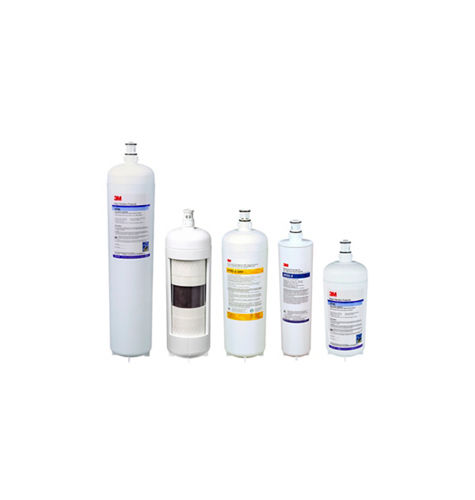
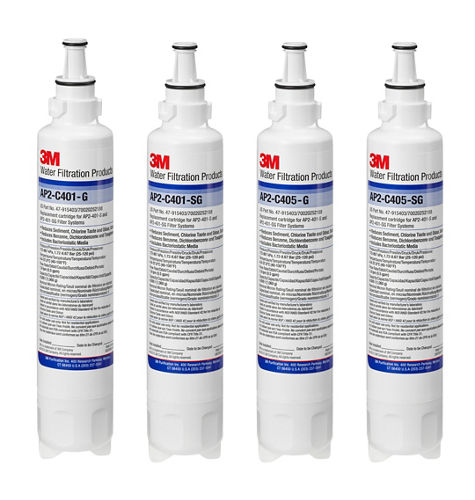
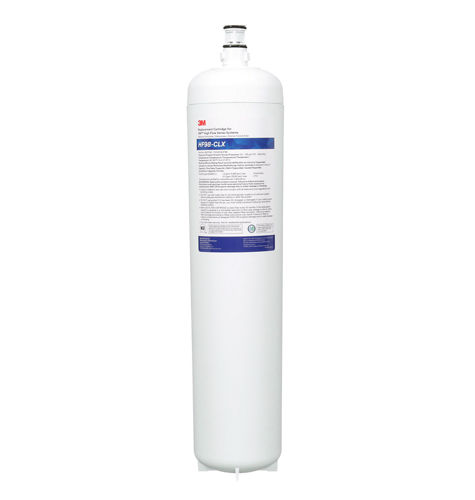
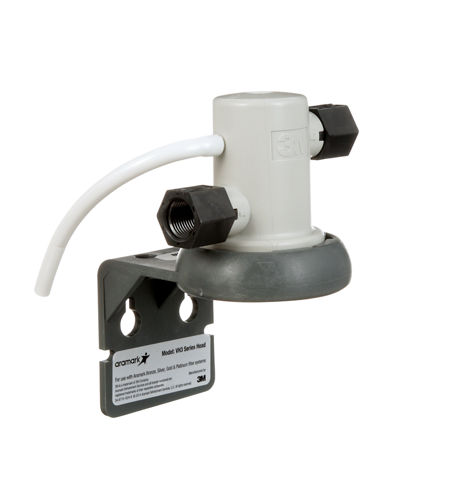
PRODUCTS FOR COMMERCIAL WATER FILTRATION
Select Filters to narrow your product list
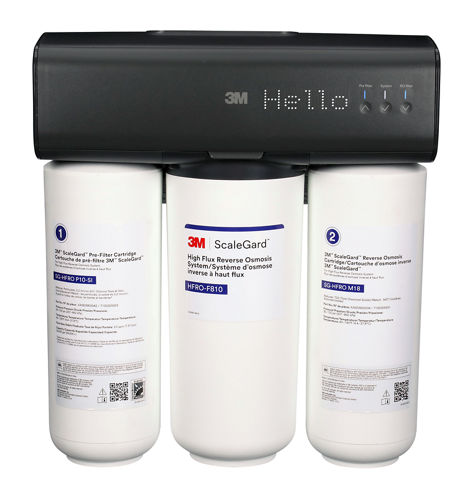
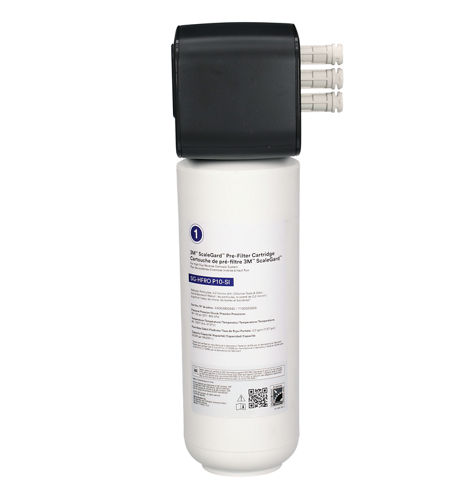
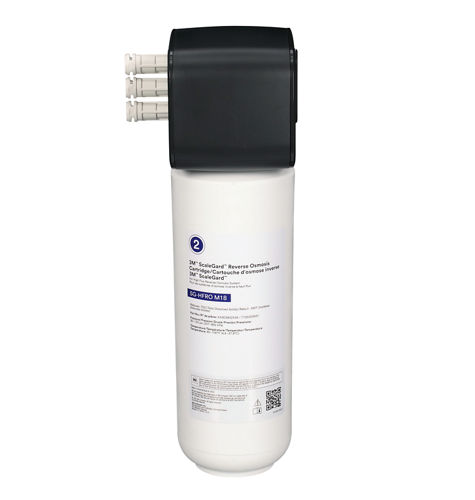
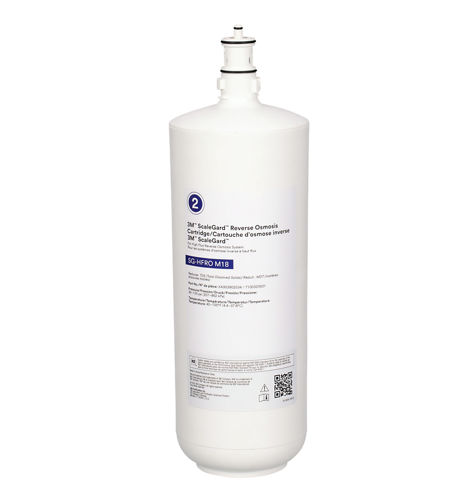
1 - 9 of 125 Products
GET THE SUPPORT YOU NEED
CONNECT WITH A FILTRATION SPECIALIST
Need help choosing a water filtration solution? Our filtration specialists are ready to answer your questions, discuss your options and guide you toward the right next step.
GET TECHNICAL SUPPORT
Have technical questions? Our filtration specialists can help with questions about product applications, installation, replacement filters, troubleshooting and ongoing maintenance.
EXPLORE WHERE TO BUY
Find the right place to purchase Aqua-Pure™ Water Filtration products. Locate an authorized distributor near you or explore available online shopping options.